A new week starts with a familiar challenge: keeping people, equipment and information moving together. This edition looks at the final stretch of a major building project, a new service-truck option, and the uneven demand for construction workers. Start with one field priority: make sure the crew knows what has changed, what needs attention, and who owns the next decision.
Here’s your November 2 briefing. News selection covers October 25–November 1, ending Sunday at 8 a.m. Pacific.
01 / THE BIG BUILDS
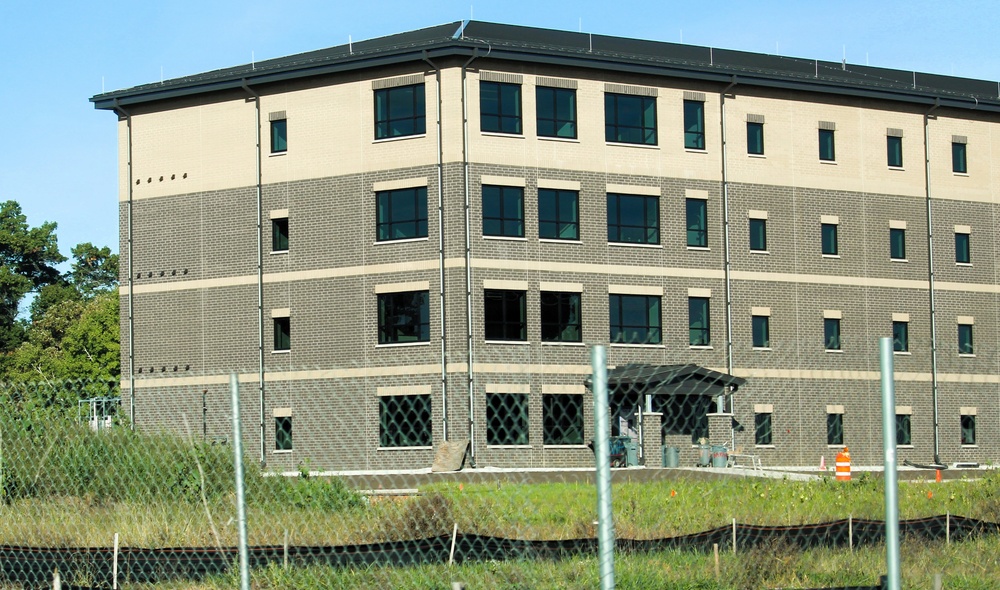
Fort McCoy’s $55.76 million quarters project approaches the finish line
Fort McCoy Public Affairs reports that two new officer-quarters buildings are nearing 90% completion. The Wisconsin project includes four-story East and West buildings, with remaining work spanning interior systems, finishes and outside improvements.
The reported schedule distinguishes a projected early completion date of June 15, 2027, from the contractual completion date of December 31, 2027. Those dates should not be treated as interchangeable—or as a confirmed handover.
Sooport field takeaway: use the final stretch to make the completion list specific. For each outstanding area, identify the remaining work, the person coordinating it, and what the next trade needs before it can finish. Keep progress percentages separate from acceptance and turnover milestones.
Location: Fort McCoy, Wisconsin Investment: $55.76 million, as reported by Fort McCoy Public Affairs Project type: Two four-story collective-training officer-quarters buildings Timeline: Projected early completion: June 15, 2027; contractual completion: December 31, 2027 Contractors: Not identified in the source evidence reviewed for this draft
Why it matters: A nearly finished building can still have important coordination work ahead. Review your own closeout list by area and responsibility, not just by percentage complete.
A service-truck option for mixed 12V and 24V fleets
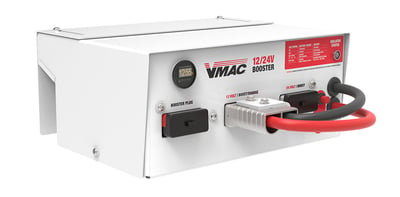
VMAC 12/24V battery booster. Manufacturer press image supplied with the announcement; not an independent product test. Credit: VMAC. Image source ↗
VMAC’s October 27 announcement introduces an onboard battery booster for service vehicles supporting both 12-volt and 24-volt equipment. The manufacturer describes an integrated system with separate booster batteries, isolated from the service vehicle’s chassis during boosting.
This is a manufacturer announcement, not a Sooport equipment test. Before putting a new system on a truck, have the fleet and maintenance team review the installation requirements, vehicle capacity, equipment compatibility and operating instructions.
For a mixed fleet, start the conversation with your actual service calls: which machines need support, where they are working, and what the technician currently has available.
Why it matters: Evaluate the equipment against a real maintenance need. Confirm fit and safe use with the supplier and your qualified maintenance team before changing the truck specification.
SOOPORT FIELD NOTE · Original editorial guidance, not a report of a new incident.
Make room for the concern that has not been raised yet
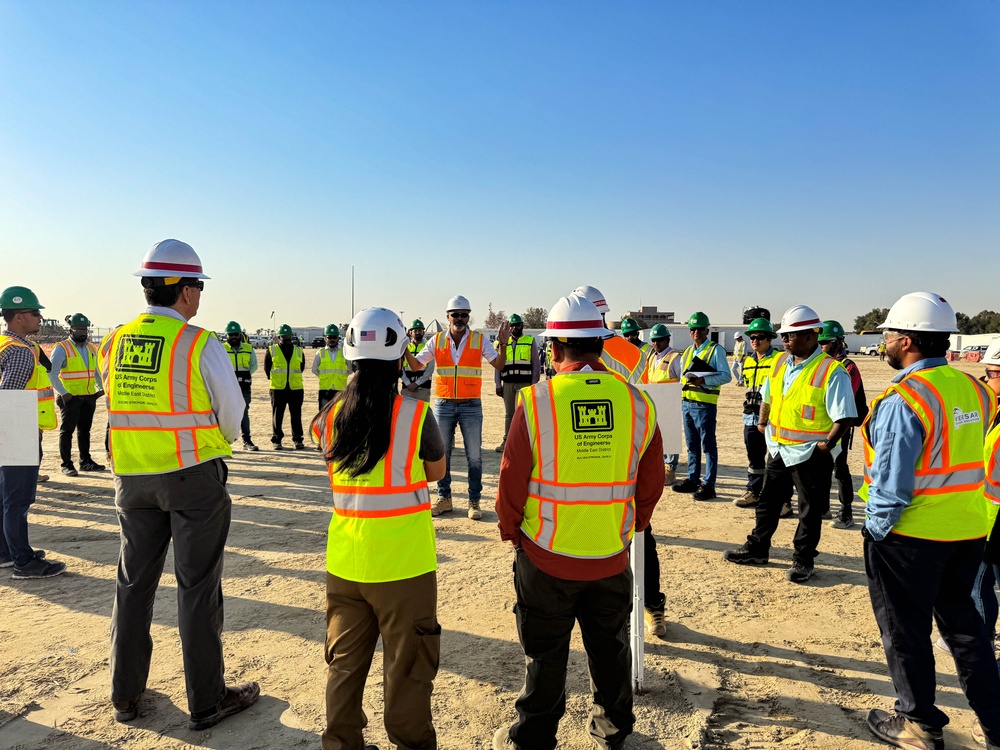
A real safety briefing in Saudi Arabia, April 2024. Context photograph, not a current incident. Shannon Moeck / U.S. Army Corps of Engineers · Public domain. Image source ↗
Try a more specific opening at the next pre-start: “What has changed since we last did this work?” Then leave enough time for an answer. Ask the people doing the task, including the newer workers and the subcontractor arriving for the first time.
Use three prompts: 1. What part of today’s work is still unclear? 2. What concern needs attention before we start? 3. Who will follow up, and how will the crew know it has been addressed?
Record the issue and the agreed next action. If it needs a competent person, specialist or supervisor, bring that person into the conversation instead of asking the crew to work around the uncertainty. Follow the project’s established safety and stop-work procedures.
At the next briefing, close the loop. Tell the team what changed because someone spoke up. This is a discussion prompt; it does not replace the task-specific hazard assessment, required training or site safety plan.
Why it matters: A useful briefing gives workers a clear route to raise concerns and a visible response. The quality of the follow-up matters as much as the question.
04 / HOW SOOPORT MENTORSHIP WORKS
Three people. Four weeks. A clearer path to development.
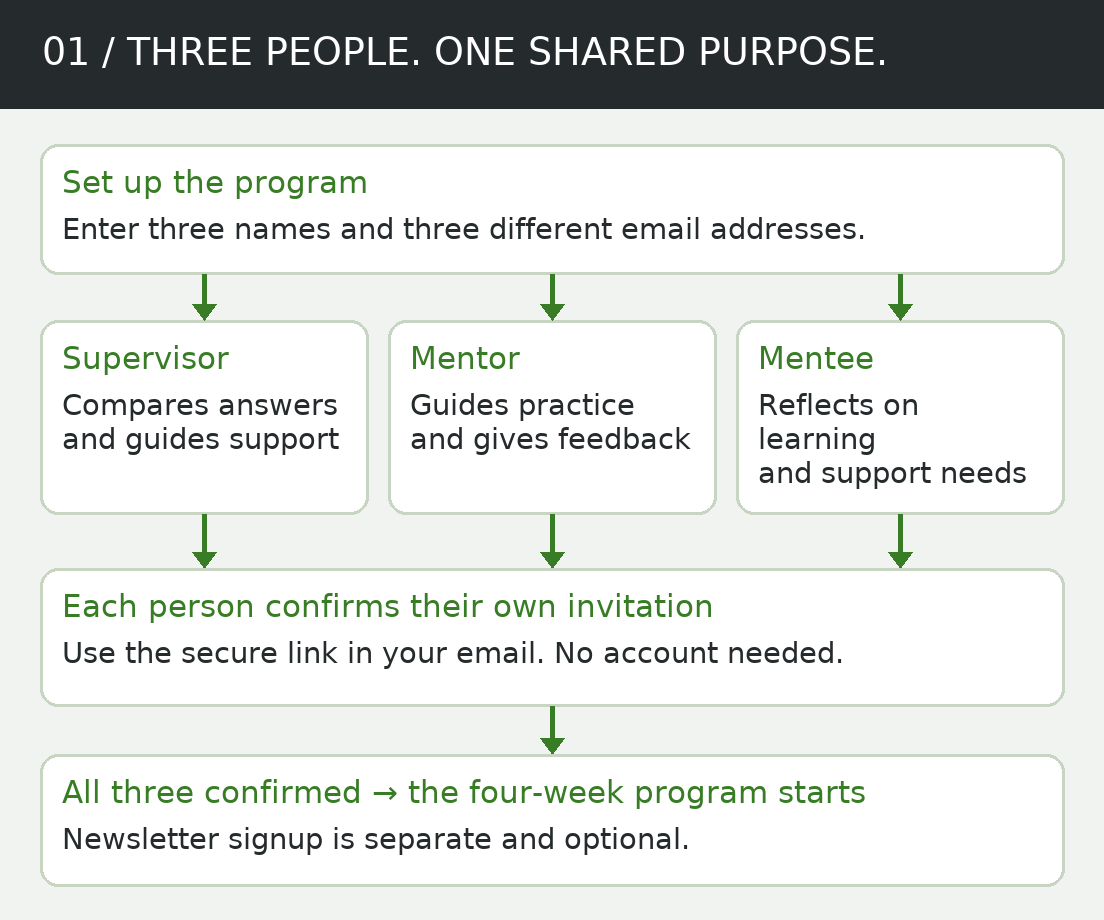
Sooport Mentorship Program: setup and participant roles. Diagram based on the current program workflow.
Sooport’s free Mentorship Program gives new entrants, apprentices, experienced hires and people changing roles a structured way to learn on site. No account is required.
The three roles: • Superintendent or supervisor: reviews progress, leads the discussion and records the agreed action. • Mentor: provides practical guidance and reports what they observe. • Mentee: reflects on understanding, confidence and where support is needed.
Anyone can set up the program. Enter a name and a different email address for each role; company and project details are optional. Each person receives a secure invitation and confirms separately. The program starts only after all three have confirmed. Invitations expire after seven days. Newsletter signup is a separate, optional choice—not a condition of joining.
Why it matters: Make expectations and support visible from the beginning, rather than waiting for a problem to surface.
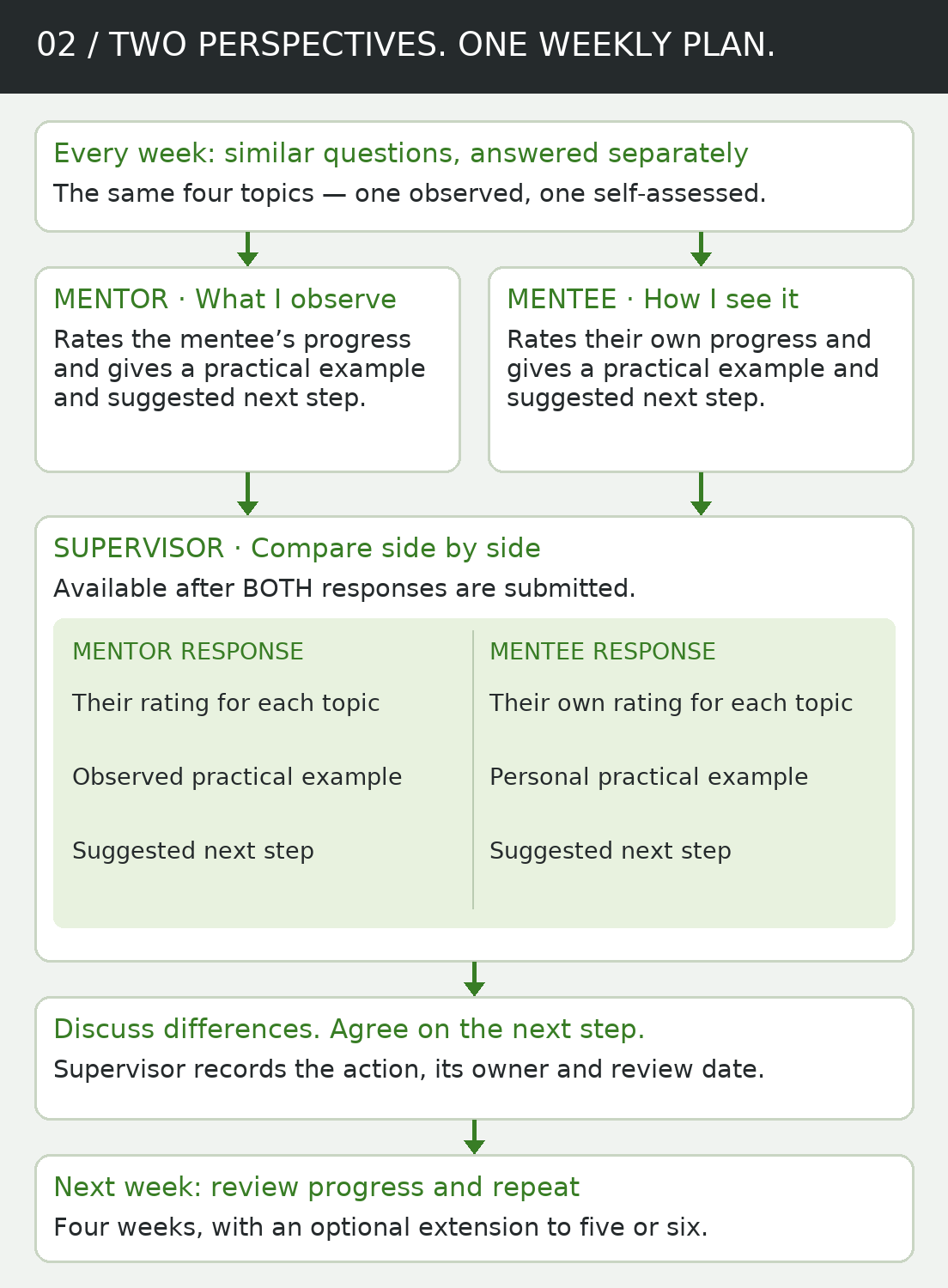
Sooport Mentorship Program: independent feedback becomes a shared action and follow-up.
Each week, the mentor and mentee receive their own assessment link and answer similar questions independently about the same four topics. The mentor rates what they observe; the mentee rates their own progress. There are four ratings—Needs Support, Developing or Confident—and two written prompts: a practical example and a suggested next step. Reminders follow when a response is outstanding.
Week 1 — Get oriented: expectations, responsibilities, site arrangements, safety guidance and asking questions. Week 2 — Build skills: understand the task, practise with support, follow agreed checks and ask for help. Week 3 — Grow confidence: work within agreed limits, recognize changed conditions, check quality and communicate. Week 4 — Review development: reflect on progress, current responsibilities and remaining training or supervision needs.
After both responses arrive, the supervisor (superintendent) receives access to the full comparison, with the mentor’s and mentee’s answers shown side by side for each topic, practical example and suggested next step. This happens every week; the participants do not see each other’s full responses. Different answers are a prompt for conversation, not a pass/fail score. Following that discussion, the superintendent records one agreed action, its owner and a review date. From week two onward, they also record whether the previous action is Done, Partly done or Not yet, with follow-up notes where needed.
After all scheduled assessments are submitted, the superintendent can extend the program by one or two weeks, up to six total. To complete it, both assessments and an action plan must be recorded for every week; the superintendent acknowledges completion and can download the confidential completion record.
The program supports coaching and development. It is not OSHA certification or proof of competency, and does not replace required training, site procedures or supervision.
Why it matters: Turn feedback into a specific next step, then check that it happened. Keep personal access links private; use the recovery option on the program page if a fresh link is needed.
The hiring picture changes from one market to the next
AI editorial illustration: regional hiring, project demand and developing workers. No suitable real photograph with confirmed reuse rights was identified for this story.
AGC of America’s October 28 analysis reports construction employment growth in 180 of 360 metropolitan areas between September 2025 and September 2026. Employment declined in 118 areas and was unchanged in 62. AGC points to data centers, power and certain manufacturing projects as important sources of demand.
For field leaders, the practical question is local: which trades and skills will your upcoming work need, and when? Review the next several weeks with your project team rather than assuming a national headline describes your hiring market.
Pair that look-ahead with a development conversation. Ask a less-experienced worker which task they want to understand better, identify suitable supervision, and agree on a check-in. Workforce planning includes building capability within the team you already have.
Why it matters: Check staffing against the actual sequence of work. Raise gaps early enough for the team to respond without turning an avoidable shortage into a last-minute scramble.
AI editorial illustration: planning around labor and materials-price releases. No suitable reusable story photograph was identified; this is not an official BLS chart.
• Nov 3, 10 a.m. ET — Job openings and turnover: September hiring trends. • Nov 6, 8:30 a.m. ET — Employment Situation: October jobs update. • Nov 13, 8:30 a.m. ET — Producer Price Index: October input-price trends.
Location: Online · U.S. Bureau of Labor Statistics · All times Eastern Event date: 2026-11-03
Why it matters: Useful signals for staffing and estimating. Check the BLS calendar for schedule changes.
Toolbox topic: When the work changes, pause and reset
Clear handoffs start with a shared plan. AI-generated editorial illustration.
A new crew, a delayed delivery or a different work sequence can change both the hazards and the plan. A short reset helps everyone understand how to continue safely and avoids wasted effort or rework.
Before starting or changing a task, discuss: • What has changed in the work area, access route or nearby activity? • Could another crew or moving equipment affect our task? • Do we have the right information, materials and agreed controls to proceed? • Who needs to know about the change before work continues?
If something is unclear, pause and involve the responsible supervisor. Agree on the next step and communicate it to everyone affected. Follow the site’s task-specific safety procedures.
Ask the crew: “What change could catch us out today—and what can we clarify now to prevent an injury or rework?”
Why it matters: Safe coordination supports productive work. Previous weekly topics will be listed on Sooport.com under Tools → Toolbox Talks.
08 / ONE THING TO THINK ABOUT
SOOPORT REFLECTION · Original editorial.
What will the next person have to guess?
Make the next person’s work easier. AI-generated editorial illustration.
Before you send the daily update, walk away from a work area or hand a task to another supervisor, ask one question: “What will the next person have to guess?”
It might be which drawing was used, whether a delivery is confirmed, who is following up on an inspection, or what still prevents the next activity from starting.
Choose one recurring handoff this week. Make the current status, next action and responsible person explicit. Ask the recipient whether that gave them what they needed. You do not need a bigger report to try this—just a clearer answer to the question the next person is likely to ask.
Why it matters: Give the next person enough context to act, and a named person to contact when something is unresolved.
What is one handoff, tool or recurring jobsite problem you would like Sooport to tackle next? Reply to hello@sooport.com with the situation you are dealing with.
Have a productive week. Keep the plan clear, listen to the crew, and look out for one another.